

You can improve your search visibility this week. Not in six months. Not after a complete website rebuild. This week.
Most Australian businesses sit on simple opportunities that could bring customers through the door within days. The problem is that generic SEO advice written for US or UK markets doesn't translate. What works in London or Los Angeles often falls flat in Bondi or Brisbane.
This article gives you 10 specific tactics designed for Australian market conditions. You don't need technical expertise. You don't need a big budget. You just need to follow the steps and track what happens. These are fast wins, not long-term projects. If you're looking for comprehensive support, our Services page outlines how we help Australian businesses implement these strategies at scale.
Australia's market is fundamentally different. You have 26 million people spread across a continent the size of the United States. That creates search patterns you won't find anywhere else.
Australians search by suburb, not just city. Someone in Bondi doesn't search for "plumber Sydney". They search for "plumber Bondi" or "plumber near me". That specificity matters because your competition is hyperlocal, not citywide.
Mobile usage is higher here than in most developed markets. Regional internet speeds vary wildly. A website that loads fast in Melbourne might crawl in Cairns. That's not theoretical. It directly affects whether someone clicks your listing or moves to the next result.
Australian service expectations are different too. People expect local businesses to list their service areas explicitly. They want to know if you cover their suburb before they call. Copy-paste US advice that tells you to "target your city" misses this completely.
The tactics below account for these differences. They're built for how Australians actually search, not how SEO guides assume they should.

Your Google Business Profile is the fastest path to local visibility. It's the listing that appears in Google Maps and local search results when someone looks for a business like yours.
Most businesses can see measurable results within 48 hours of optimising their profile. That's not hype. That's how quickly Google updates local rankings when you give it better information.
The process is straightforward. Three steps. Anyone can do it.
Go to google.com/business. Search for your business name. If it exists, claim it. If it doesn't, create it.
Google will ask you to verify ownership. In Australia, you'll typically get three options: postcard to your business address, phone call, or email. Phone is fastest if available. Postcard takes 5-7 days but works for everyone.
If someone else has claimed your listing, use the "Request access" option. You'll need to prove ownership, usually with business registration documents. Don't skip verification. You can't optimise anything until Google confirms you own the listing.
Once verified, fill in these fields. Most competitors leave them blank, which is why this works so well.
First, write a business description using local keywords. Bad example: "We provide quality plumbing services." Good example: "Emergency plumber serving Bondi, Bronte, and Tamarama. 24/7 callouts for blocked drains, hot water repairs, and burst pipes across Sydney's Eastern Suburbs."
Second, list your service areas. Don't just put "Sydney". List every suburb you actually cover. Google uses this to show your business in suburb-specific searches.
Third, add business hours including public holidays. Australians search for "open now" constantly. If your hours are wrong, you lose those searches.
Fourth, select attributes specific to your industry. These vary by business type but might include "wheelchair accessible", "free Wi-Fi", or "outdoor seating". They help you appear in filtered searches.
Fifth, add booking or appointment links if relevant. Direct conversion paths matter. Make it easy for someone to act immediately.
Weekly posts keep your listing active. Google ranks active profiles higher than dormant ones. It's that simple.
Post ideas for Australian businesses: upcoming local events you're attending, seasonal services (storm damage repairs before winter, air con servicing before summer), answers to common customer questions, or limited-time offers.
Set a schedule. Monday mornings work well. Write three sentences, add a photo if you have one, publish. Even basic posts outperform no posts.

Your Google Business Profile is the foundation. These seven tactics build on it. Each takes one to three hours. You don't need to do all seven at once. Pick two or three that fit your business and start there.
Australian internet speeds vary dramatically. Someone in regional Queensland has a completely different experience than someone in inner Sydney. That makes mobile optimisation critical.
Test your site with Google PageSpeed Insights. Aim for a score above 50 on mobile. Anything below that and you're losing visitors before they see your content.
Three quick fixes: compress your images (use TinyPNG or similar tools), remove unused plugins or scripts (check with your web developer), and enable browser caching (again, your web person can do this in minutes).
You don't need to understand the technical details. You just need to know these fixes work and they're fast to implement.
Separate pages for each suburb or region you serve help you rank in local searches. One page for "plumber Sydney" doesn't cut it when people search for "plumber Bondi".
Simple template: describe your service, explain why you serve this area, mention local landmarks or references people recognise, add your contact information.
Critical warning: each page needs unique local details. Don't just copy-paste the same content and swap suburb names. Google penalises duplicate content. And don't create pages for areas you don't actually serve. That backfires when customers call and you can't help them.
When a competitor's page breaks, you can get their backlinks by offering a working alternative. This works especially well for Australian business directories and local news sites that link to outdated content.
Use a free tool like Ahrefs Backlink Checker. Enter your competitor's domain. Look for broken pages (404 errors). Find sites linking to those dead pages. Contact them politely and offer your page as a replacement.
This sounds complicated. It's not. You're just finding broken links and sending emails. Most site owners appreciate the heads-up and are happy to update the link.
Australians search differently than Americans or Brits. We say "plumber Bondi", not "Bondi plumber". We use "near me" constantly. Your title tags need to reflect actual search patterns.
Formula: Primary Service + Suburb/Region + State (if needed for clarity).
Example: "Emergency Plumber Bondi | 24/7 Service | Sydney" beats "Plumbing Services" every time. The first tells Google and searchers exactly what you do and where. The second tells them nothing.
Keep it natural. Don't keyword stuff. Write for humans first, search engines second.
Not all directories are worth your time. These ones are: True Local, Yellow Pages, Hotfrog, StartLocal, plus any industry-specific directories relevant to your business.
Use identical NAP (name, address, phone) across all listings. Consistency matters. If you're "Smith Plumbing" on one site and "Smith's Plumbing Services" on another, Google gets confused about which business is which.
Time estimate: two to three hours to set up all listings properly. Do it once, benefit for years.
Schema is code that helps Google understand your business details better. It's not as technical as it sounds.
Use Google's Schema Markup Generator. It creates the code for you. Essential fields: business type, address, phone, hours, service area.
If you're on WordPress, plugins like Yoast or Rank Math can add schema automatically. If not, ask your web developer. This is a 15-minute job for anyone who knows basic HTML. If you need expert implementation support, contact Seogrowth for guidance on technical SEO elements like schema markup.
Answering common questions helps you rank for question searches and voice search. Both are growing fast in Australia.
Australian-specific questions: "Do you service [suburb]?", "What are your public holiday hours?", "Do you offer payment plans?", "Are you licensed in [state]?"
Add five to ten FAQs to your homepage or create a dedicated FAQ page. Don't make up questions. Use real questions from customers, check Google's "People Also Ask" section, or use AnswerThePublic to find what people actually search for.
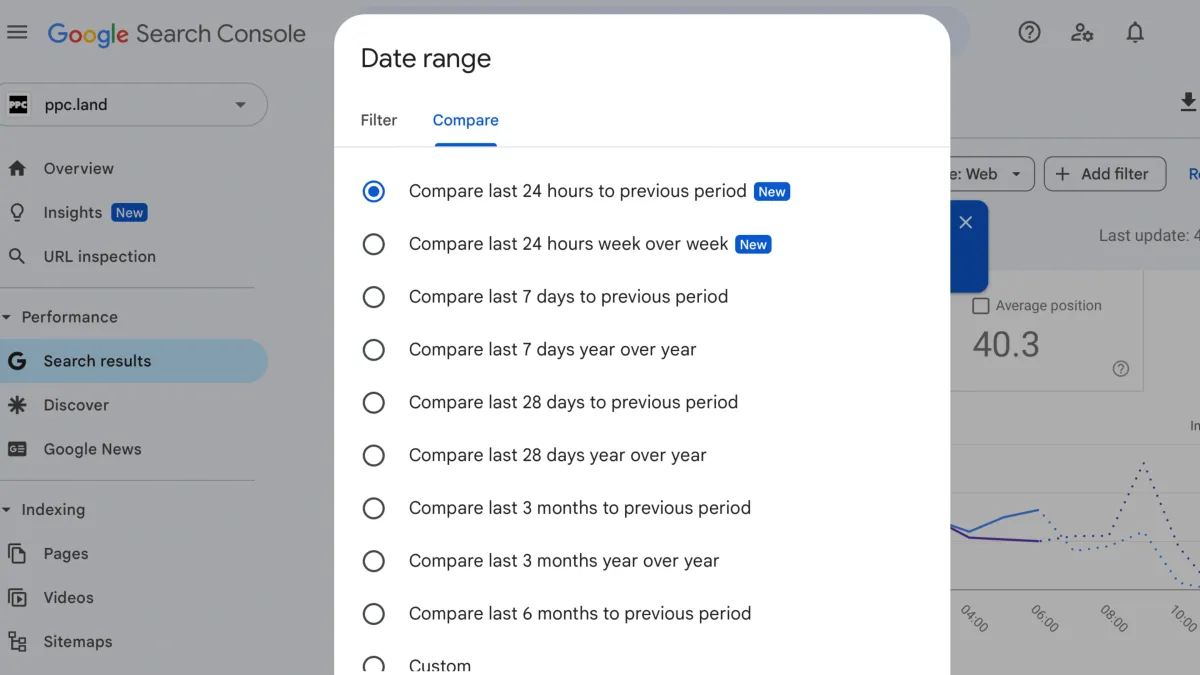
Tracking proves which quick wins deliver results and which to double down on. This takes 15 minutes to set up, then five minutes weekly to check.
Without measurement, you're guessing. With it, you know exactly what's working.
Track exactly three things. More than that and you'll drown in data.
First, Google Business Profile views and actions. Find this in GBP Insights. Look for increases in profile views, website clicks, and direction requests. If these numbers climb week over week, your GBP optimisation is working.
Second, organic traffic to location pages. Use Google Analytics. Filter for organic traffic only. Check visits to your suburb-specific pages. Growth here means your location strategy is paying off.
Third, phone calls and form submissions from organic search. This is the metric that actually matters. Views are nice. Conversions pay the bills. Track where enquiries come from. If organic search is climbing, you're winning.
Check after two weeks, then monthly. Don't obsess daily. Give changes time to work.
Here's your 30-day plan. Week one: optimise your Google Business Profile completely. Claim, verify, fill in all details, publish your first post.
Week two: pick two or three quick wins from the list above. Location pages and title tag updates are good starting points for most businesses.
Week three: implement the remaining tactics that fit your business. Not everything will be relevant. Skip what doesn't apply.
Week four: review your metrics. Check GBP insights, organic traffic, and conversions. Double down on what's working. Adjust what isn't.
These aren't one-time tasks. Weekly GBP posts and monthly metric reviews keep momentum. The businesses that win in Australian local search are the ones that stay consistent.
These tactics work specifically for Australian market conditions. They account for how Australians search, the geographic spread of our population, and the local competition dynamics that make our market unique. Start with one. See results. Then add the next.
We value your privacy
We use cookies to enhance your browsing experience, serve content, and analyse our traffic. By clicking "Accept All," you consent to our use of cookies. Cookie Policy